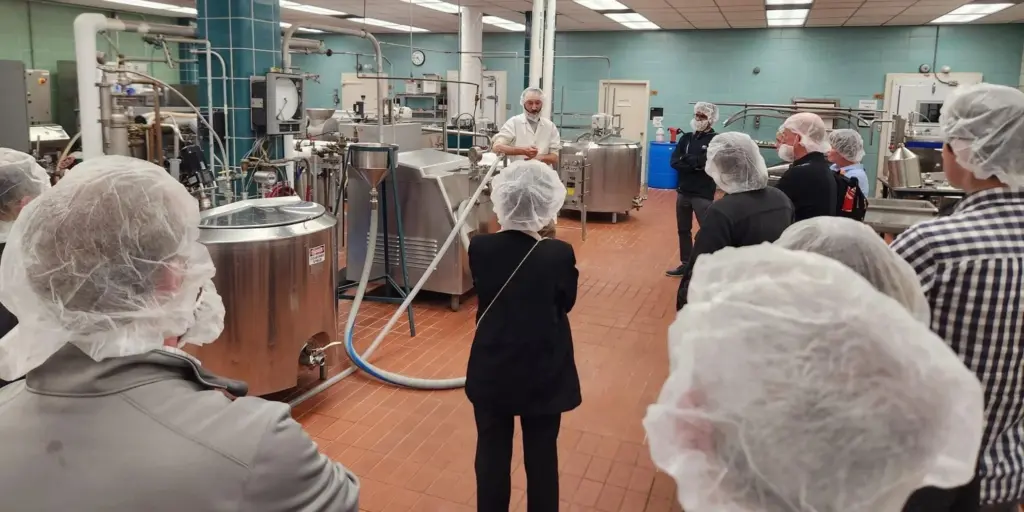
For Midwest dairy farmers, every checkoff dollar is an investment in the future of dairy. In 2025, the Midwest Dairy Foods Research Center (MDFRC) delivered meaningful returns on that investment, helping processors solve real‑world challenges, improving product quality and safety, and opening new opportunities for dairy growth at home and abroad.
MDFRC is a partnership among six leading universities, including the University of Minnesota, Iowa State University, South Dakota State University, University of Missouri, Kansas State University, and University of Nebraska–Lincoln, with over 14 professors working on dairy research. Together, they work on behalf of farmers to keep dairy competitive, innovative, and in demand.
Driving Research That Moves the Needle
The center’s mission is simple: to deliver research and education that benefits consumers and fuels a strong market for Midwest Dairy. MDFRC focuses its strategy on two key opportunities:
Consumer Solutions
- Developing dairy ingredients that support modern wellness trends such as immunity, digestive health, and energy.
- Researching milk components to improve consumer experience through higher protein, healthy fats, clean labels, and reduced sugar.
- Exploring packaging, sensors, and food safety innovations for e-commerce dairy products.
- Educating consumers about dairy’s sustainability and nutritional benefits.
- Strategies to understand and enhance bioavailability of nutrients in dairy products.
Industry Solutions
- Enable cheese and dairy ingredients exports (product and process interventions, shelf life, quality, and functionality).
- Improve dairy ingredients and permeates powder quality, safety, and functionality.
- New platforms and untapped market for dairy
- Upcycling dairy co-products.
- Analytical tools and testing methods to measure and predict the quality and safety of products/ingredients.
- Novel and scalable technologies to improve microbial quality and safety of dairy products and ingredients.
- Optimize water and energy usage and wastewater management.
Real‑World Wins for Dairy Farmers and Processors
Dr. Prafulla Salunke of South Dakota State University shared several examples of how MDFRC research is paying off:
- Clean‑label processed cheese: MDFRC research helped processors reformulate processed cheese products to remove unwanted ingredients. Those clean‑label products are now on the market, giving dairy a stronger position with today’s label‑conscious consumers.
- Higher‑protein dairy beverages: Many processors struggle to exceed 18% protein in drinks. MDFRC researchers helped one company develop a 25% protein Greek yogurt beverage, which launched just months after trials at SDSU. As consumer interest in protein grows—especially with the rise of GLP‑1 medications—this work positions dairy to meet that demand.
- Support for small and on‑farm processors: Workshops across the region—cheese technology at SDSU, pasteurization at UMN, and microbiology at ISU—helped smaller processors improve safety, quality, and efficiency.
These are the kinds of practical, farmer‑focused outcomes that checkoff‑funded research makes possible.
Collaboration That Keeps Dairy Moving Forward
In 2025, MDFRC hosted its Spring Planning Meeting and Annual Meeting, bringing together researchers, dairy farmers, students, processors, and Midwest Dairy staff to identify industry challenges and review new research proposals. This process ensures farmer-funded research focuses on real challenges facing dairy processors and the marketplace.
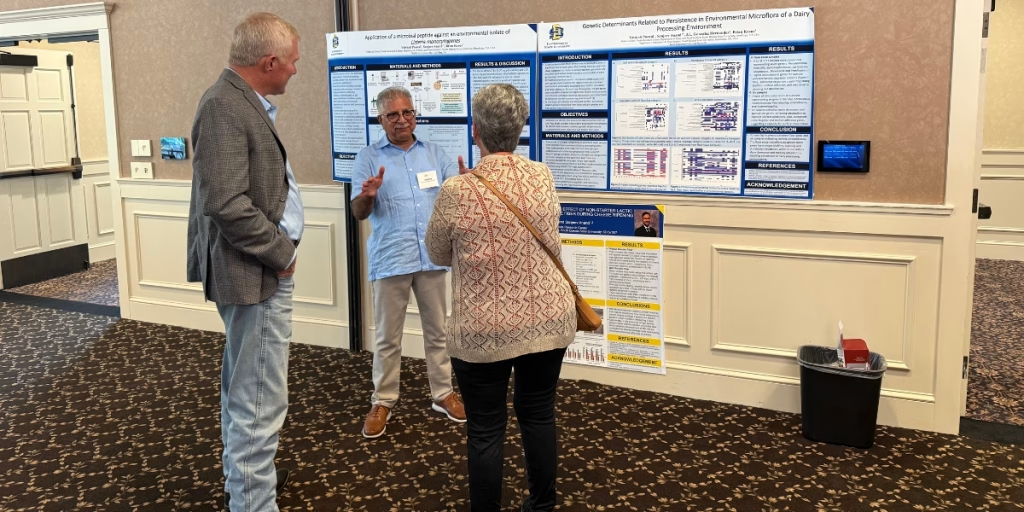
MDFRC scientists also presented at the Global Ingredients Summit, putting farmer‑funded research on an international stage and strengthening dairy’s reputation for innovation.
Looking Ahead
With new projects underway and growing engagement from processors and students, MDFRC is well‑positioned to continue delivering value back to Midwest dairy farmers. Investments from checkoff fuel research that keeps dairy competitive, opens new markets, and ensures processors have the tools they need to innovate. The work happening today will shape the dairy products consumers buy tomorrow, creating new demand for milk and new opportunities for Midwest dairy farmers.