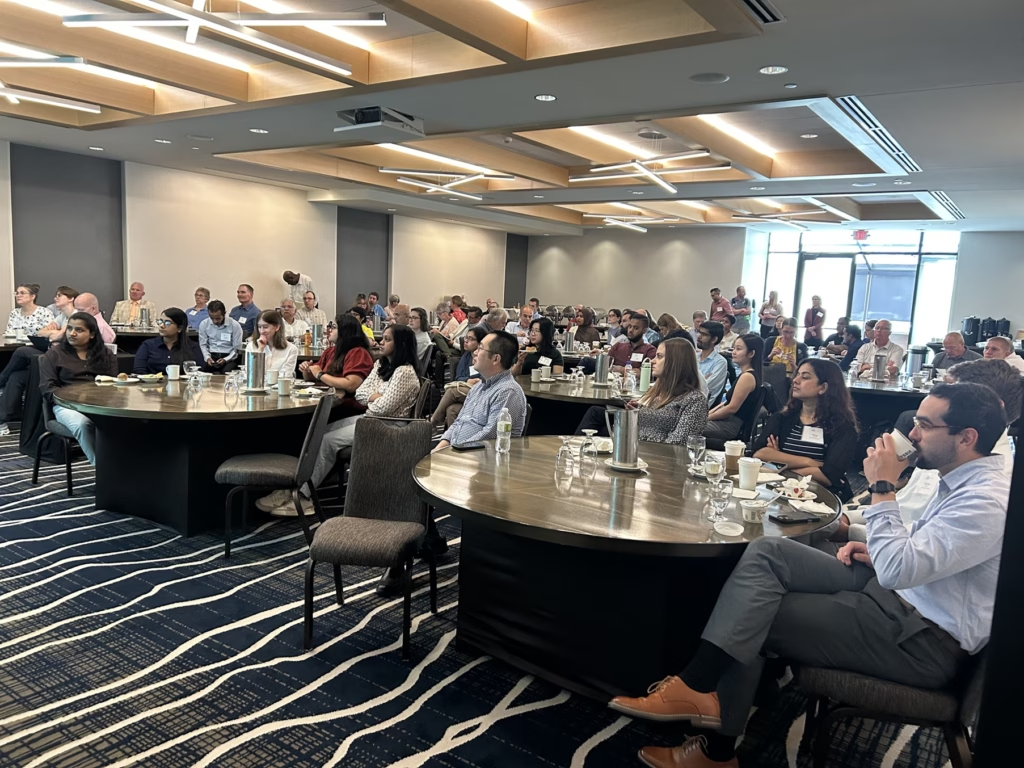
Researchers, dairy processors, students, and Midwest Dairy representatives gathered July 29–30 for the Midwest Dairy Foods Research Center (MDFRC) Annual Meeting to explore research that could create new opportunities for dairy. The event highlighted emerging innovations, strengthened collaboration across the region, and identified projects with the potential to expand markets for milk and dairy ingredients.
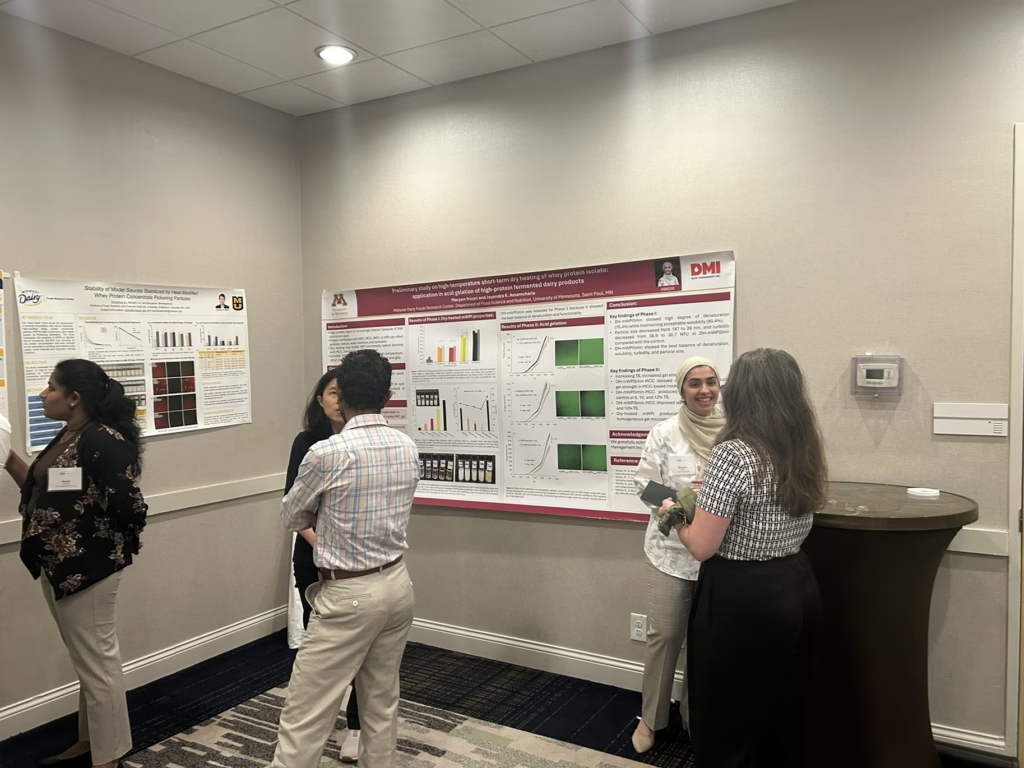
The meeting opened on July 29 with a student poster session and networking event. Graduate students showcased their research to dairy processors, university representatives, and industry leaders, gaining valuable experience while introducing attendees to the next generation of dairy scientists and food industry professionals.
The evening also featured updates from Dairy Management Inc., Midwest Dairy, the University of Minnesota, and Iowa State University. Michelle Watson, Midwest Dairy Vice President of Research and Innovation, shared how Midwest Dairy is helping strengthen connections among university research, processor needs, and opportunities to grow dairy demand.
On July 30, researchers presented projects aligned with priorities that support the future competitiveness of the dairy industry. The presentations explored new applications for whey permeate and lactose-rich dairy ingredients, including ways to transform dairy co-products into higher-value ingredients. Other projects focused on developing shelf-stable, high-protein cheese and confectionery products, improving the functionality of milk proteins in high-protein foods, and expanding the use of whey proteins in products such as yogurt and ice cream.
Researchers also addressed increasing consumer demand for recognizable ingredients and clean-label foods. Projects examined natural alternatives to artificial colors and whitening agents, clean-label technologies to reduce acid whey, and methods to improve product texture, flavor, and quality.
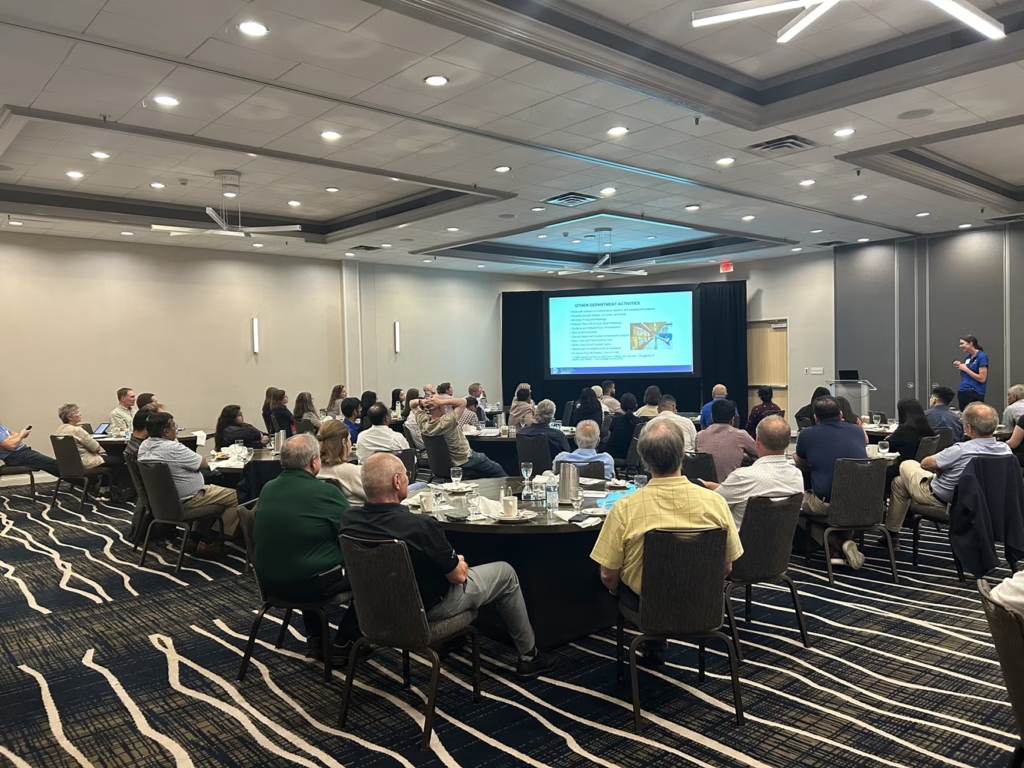
Food safety and shelf life remained key areas of focus. Researchers shared work on detecting bacteria in dairy powders, controlling harmful biofilms, reducing fermentation time, and improving pasteurization effectiveness. These innovations could help processors protect product quality, reduce waste, and deliver safe, high-quality dairy products with longer shelf life. Additional presentations highlighted improvements in chocolate milk flavor, new starter cultures, high-protein dairy applications, and innovative ways to incorporate dairy ingredients into a broader range of food products.
For dairy farmers, the value of this research extends well beyond the laboratory. Every new ingredient application, processing improvement, or dairy product innovation has the potential to strengthen demand for milk and increase the value of milk protein, fat, lactose, and other dairy components.
By connecting university expertise with the needs of dairy processors and the marketplace, MDFRC helps move promising ideas closer to commercialization. The annual meeting gives processors and industry partners the opportunity to provide feedback, evaluate research priorities, and help guide future projects toward the industry’s most pressing challenges and greatest opportunities.
This collaboration reflects Midwest Dairy’s commitment to investing in research and innovation that expands dairy opportunities, supports processor success, and delivers long-term value for dairy farmers.